Who we are
Neighbors keeping
watch.
The Federal State Guard & Community Emergency Services is a faith based humanitarian organization built on one plain conviction: that a community is only as strong as the people willing to show up for it. We are independent — non governmental and non political.
The mission
To be trained, to be present, and to stay.
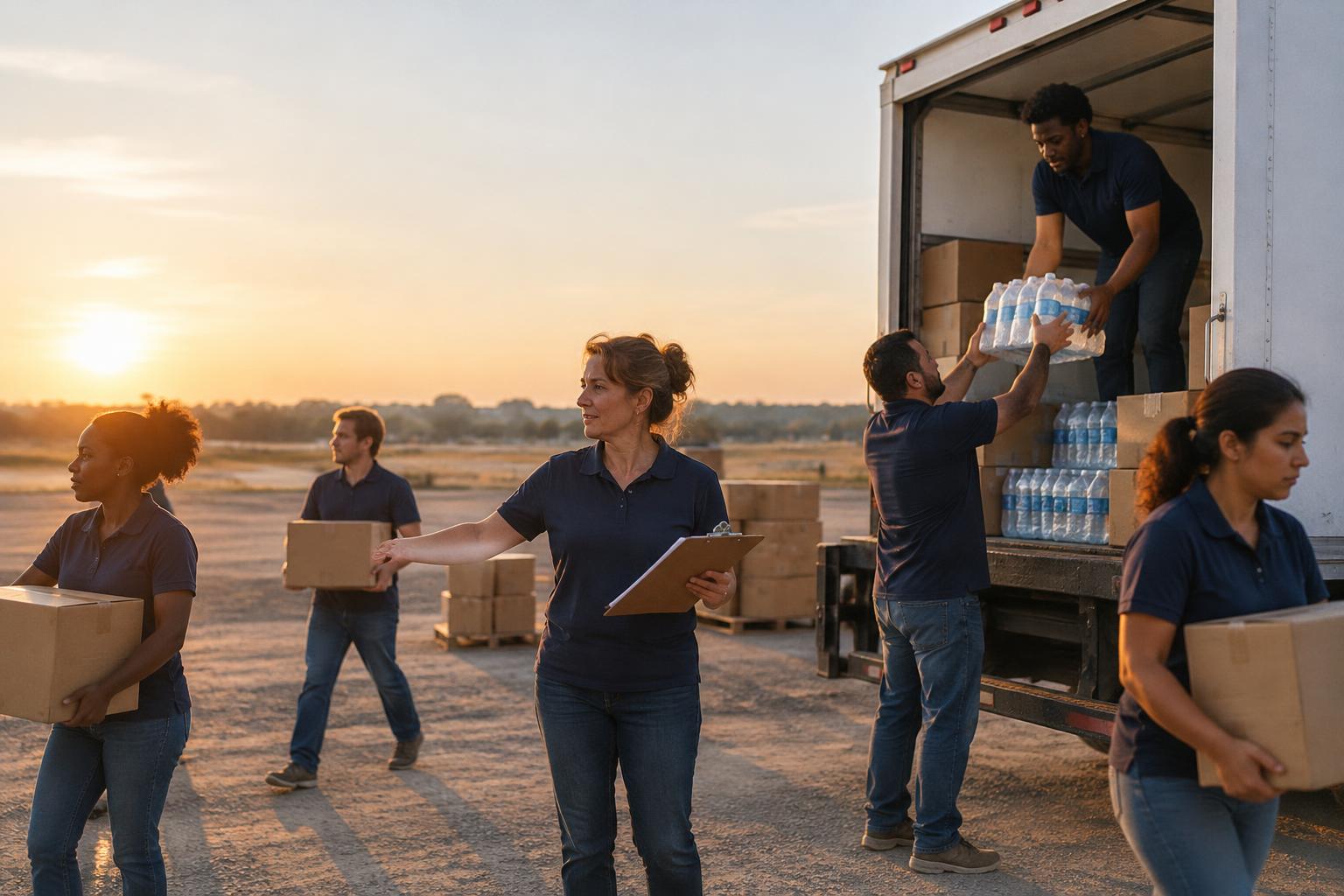
We exist to bring practical help and human presence to people in hard circumstances — the family whose house flooded, the neighbor who has not answered the door in three days, the community overseas that asked for hands and was sent supplies instead.
Our members are ministers, first responders, and global peace and security ambassadors. Some serve with a truck and a route. Some serve by sitting beside a hospital bed. Some serve in the training room, teaching a volunteer to keep a clear head in a loud room. All of it is the same organization and the same calling.
We are a faith based organization, and we understand that trust is not claimed — it is earned, one household at a time. We are also independent: non governmental and non political, owing no allegiance to a government or a party. We are what we say we are: a humanitarian and community emergency services organization that answers when called.
The work in one sentence
Feed someone. Shelter someone. Sit with someone. Help a community be ready before the worst day comes.
Our standing
Non governmental and non political. An independent, faith based humanitarian organization. We are not a government agency, we are not affiliated with any political party or movement, and we claim no official status or authority of any kind.
What we hold to
Six things that do not change.
Faith
We are a faith based organization, and we do not hide it. Conviction is why our people show up on a cold morning for someone they have never met. Service is offered without a condition attached — to anyone who needs it.
Humanitarian service
Food, water, shelter support, cleanup, transportation, and the logistics that turn concern into something that actually arrives. Domestic and international, in the communities we are planted in and alongside those we are invited to.
Ministry and chaplaincy
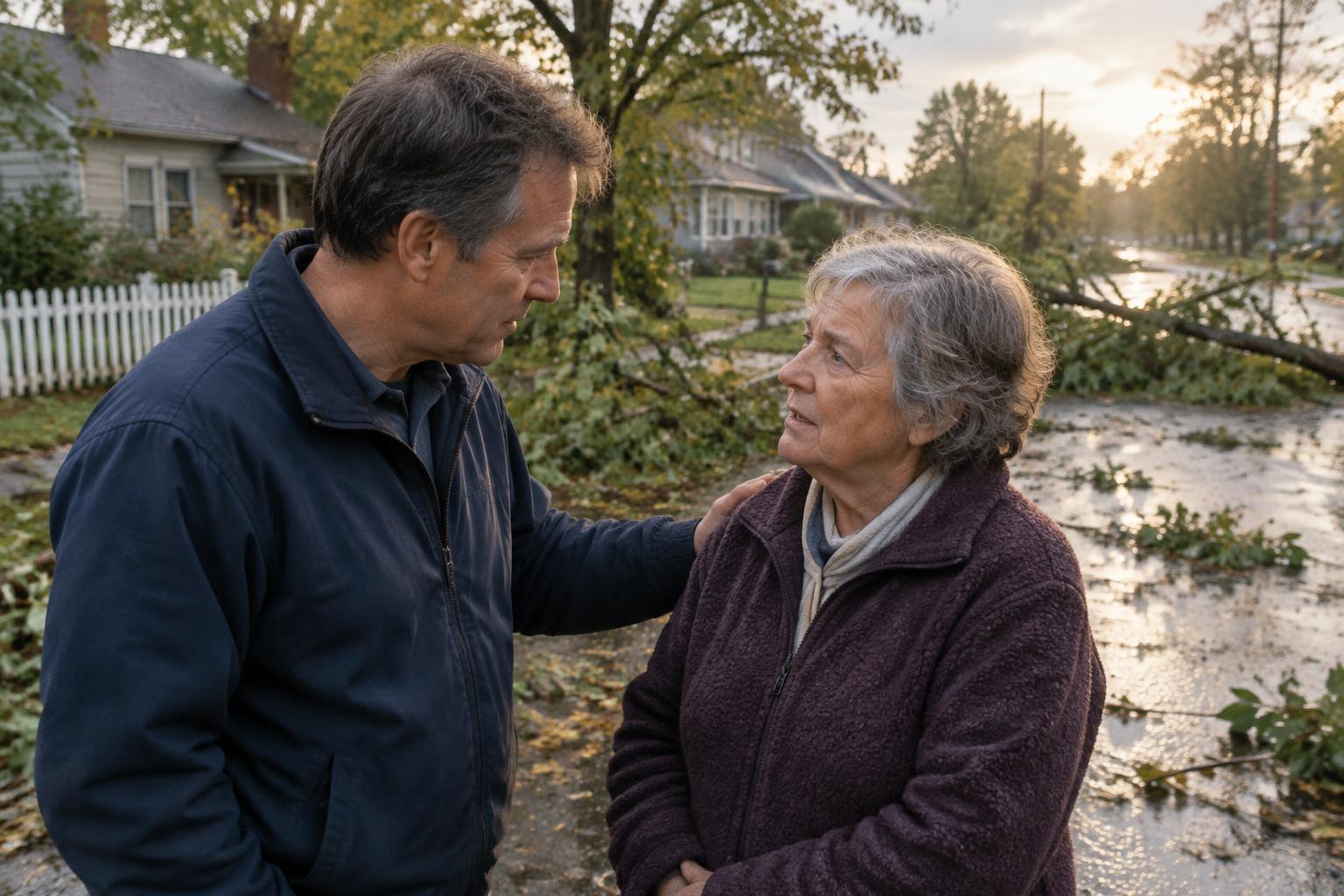
Our ministers and chaplains serve the part of a crisis that a case of water cannot touch: grief, fear, and the long weeks after the sirens stop. Sometimes the work is prayer. Often it is simply staying.
Emergency response
Trained volunteers who assist at community emergencies — storm response, neighborhood support, wellness checks, shelter and distribution support — working responsibly alongside the agencies whose legal authority it is.
Peace and security service
Global peace and security ambassadors among our members prepare for the hardest crowds and the most vulnerable people in them: de-escalation, restraint, protection, and tactical civil unrest training for those called to that work.
Training
Nothing here runs on improvisation. Volunteers prepare before they are needed, and households are taught to prepare too. Training is the most ordinary thing we do, and the most important.
How we serve
At home, and where we are invited.
Domestically, our volunteers support community emergencies and the ordinary crises that never make the news: a household that cannot make rent and a pantry that cannot stretch, a shut-in with nobody checking in, a church hosting a shelter with more guests than blankets.
Internationally, we work alongside communities and local partners on humanitarian relief — supplies, logistics, and trained people who can work within someone else's context instead of taking it over.
We are always honest about what we are able to do. Sometimes the answer is a team on Saturday. Sometimes the answer is a phone call to an agency that can act faster than we can — and a promise to follow up.
What we ask
Three things, honestly.
None of them is a credential. All of them are the reason a stranger trusts a volunteer at their door.
Time
A reliable few hours a month is worth more than an enthusiastic promise. Tell us what you can actually give and we will build a role around it.
Training
Volunteers prepare before they are needed — readiness basics, scene awareness, hands-only CPR practice, and the specific skills of their role. Training is part of the commitment, not a prerequisite for applying.
Conduct
We work respectfully, within the law, and alongside the agencies whose authority it is. A volunteer represents every neighbor who will ever call us, so conduct is not a formality here.
If this sounds like the kind of organization you have been looking for, we would like to meet you.
Reach Chief Stone's office by phone or text, or start an application online. Either way, a person will answer.